Feeds:
Comments

Posts Tagged ‘Contemporary Art’

WHO GOES HUNTING DOES NOT COUGH, is a group exhibition and a series of public events curated by Kisito Assangni for Pixelache Helsinki, and realised in collaboration with the Finnish Museum of Technology and with EMMA – Espoo Museum of Modern Art.

The exhibition at the Museum of Technology is on display from 12.9. to 11.10.2026 featuring works by: Kongo Astronauts, Yto Barrada, Neïl Beloufa, Theo Eshetu, Joseph Ijoyemi, Mouna Jemal Siala, Miatta Kawinzi, Ali Akbar Mehta, Marek Pluciennik, Johan Thom, Eden Tinto Collins, Sofia Yala, Oliver Whitehead.

In the words of curator Kisito Assangni:

“The title Who Goes Hunting Does Not Cough, is derived from an African proverb suggesting that, despite the significance and positioning of projects, you have to let the results speak for themselves.
Especially, in a practice where the process holds as much importance as the outcome, and where the notion of an unfinished, remixable project is central. Media art, through its inherently interdisciplinary, participatory, and technologically responsive nature, has the capacity to radically reshape the future of the museum––transforming it from a static repository of objects into a dynamic site for the co-production of knowledge. The exhibition introduces the public to the works of international artists from different contexts who take on the concepts of power relations, decolonial aesthetics, affective spaces, resilient communities, and new technologies. They reflect about new visualities conducive to look towards the future of the museum as a lived experience. Combining film, video games, sound, photography, installation and performance, most of the pieces in the show embrace a sense of reinvention and agency with the aim to shape various interpretative environments. They speak to the informed viewer as much as the uninitiated.

This exhibition is an experimental platform for critical reflection and non-hegemonic world-views. It transcends cultural hierarchies, aligning with what theorist Irit Rogoff in her 2000 book Terra Infirma calls “criticality” –– a practice that constantly questions and destabilizes the authority of knowledge production. This shift opens up new interstices and spaces of intersection where diverse forms of knowledge, from indigenous epistemologies to speculative futurisms, can coexist and interact. By challenging linear narratives and fixed hierarchies of values, media art could be the saving grace of the museum of the future. As society becomes increasingly mediated by technology, media art offers a compelling pathway for museums to remain relevant, accessible, and reflective of contemporary life.”

To what extent can media art allow us to shape the future of the museum, and set a greater model for transversal knowledges? Intertwined with the museum, media art marks a profound disruption of the representative regime of aesthetic experiences and objects through its nature to question global cultural systems. Technology establishes a novel infrastructure that affords virtually limitless possibilities for artistic practice within a hyperconnected, post-digital world.

The Museum of Technology about the project:

“In recent years The Finnish Museum of Technology has strengthened its position at the crossroads of technology, art and science. That is why this collaboration with Pixelache and EMMA is especially significant: it brings together technological heritage and media art in ways that open fresh perspectives on important issues that affect us all.“

Kisito Assangni’s selection of works expounds the critical potential media art has to shape museums physically and philosophically, in a digital world striving for new ethical standards, equity and inclusion. By fostering those liminal, transdisciplinary spaces between science, technology, and embodied experience, media art redefines the museum-space as an agent of epistemic plurality and future-oriented thinking.

EMMA Museum states about the collaboration:

“Pixelache’s event at EMMA opens the art collections to the public from a new angle and strengthens the museum’s role in the field of media art. The perspectives of Pixelache—an electronic arts pioneer—and curator Kisito Assangni bring new voices to the fore and situate the media art collections in a topical context.”

Who Goes Hunting Does Not Cough is part of Another Story, a long term project designed by Egle Oddo and supported by Kone Foundation. Over the course of a three-year program, three invited curators delve into international media art archives to curate annual exhibitions and public programme.
Initiated to instigate emerging trends and explore new narratives, the project aims to critically examine contemporary media art practices and compare curatorial approaches. By showcasing the evolving field, the project’s ambition is to create meaningful connections to diverse global archives, and to unleash valuable repositories of knowledge that warrants further exploration and revitalization.

Who Goes Hunting Does Not Cough is realised in collaboration with Finnish Museum of Technology, EMMA Espoo Museum of Modern Art. Partners: The Embassy of Italy in Helsinki, The Embassy of the Republic of Tunisia in Helsinki, The The Italian Cultural Institute in Helsinki, The French Institute in Finland, and Villa Eläintarha. Supporting Another Story three-year project: Kone Foundation, The Arts Promotion Centre, The Department of Culture and Leisure of Helsinki City.

Pixelache Helsinki is a transdisciplinary platform for emerging art, design, research and activism. It is an association of artists, cultural producers, thinkers and activists interested in experimental interaction and electronics, code-based art and culture, grassroot organising & networks, renewable energy production/use, participatory art, open-source cultures, bioarts and art-science culture, alternative economy cultures, politics and economics of media/technology, audiovisual culture, media literacy & ecology and engaging with environmental issues. The word ‘pikseliähky’ (translated into English as “pixelache”) describes the feeling that results from an overdose of digital media content. Pixelache Helsinki is coordinated by the Finnish non-profit cultural association Piknik Frequency ry.

Kisito Assangni is an independent curator and consultant based between London, Paris and Togo. His research explores the circulation of images, postcolonial dynamics, and emerging forms of subjectivity. Through his curatorial projects, he examines how narratives are constructed, displaced, and transformed across contexts. Assangni was the Director of TIME is Love Screening (2008-2020), an internationally touring video art festival. His discursive public programs and exhibitions have been presented around the world, including the Venice Biennale, ZKM Karlsruhe, Torrance Art Museum Los Angeles, Ben Uri Museum London, Es Baluard Museum, Palma, National Center for Contemporary Art Moscow. Assangni has participated widely in lectures, research collaborations, and symposia at institutions such as Whitechapel Gallery London, Apexart New York, Palais de Tokyo Paris, Pixelache Helsinki, Cambridge School of Art, University of Pretoria South Africa.

Exhibition Team

Curator: Kisito Assangni
Project Leader: Egle Oddo
Pixelache Executive Director: Raisa Veikkola
Communications Coordinator: Selma Mataich
Technical Design: Mreethmandir Gunjan Kumar Roy, Leevi Toija, Joshua Cockroft
Graphic Design: Nikita Gavrilenko
Critical essay by Dr Greg de Cuir Jr.

Group exhibition: September 12– October 11, 2026
Vernissage September 11 at 18:00
Museum of Technology

EMMA
Public programme: September 16, 2026
Screening at 15:00 and live performance at 17:30
EMMA Espoo Museum of Modern Art
The event needs registration, limited spots available. Register here
Read Full Post »

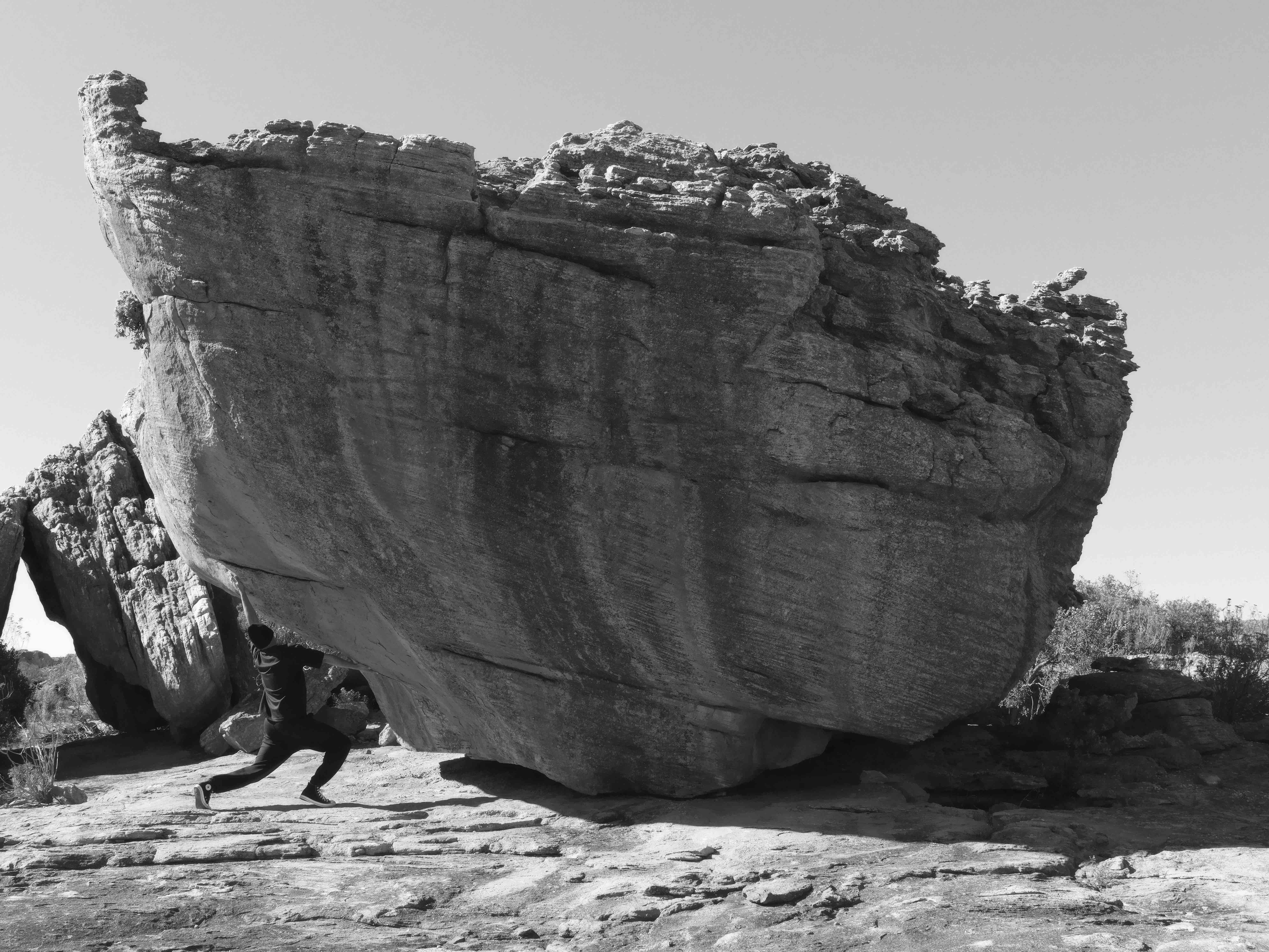
Robin Rhode, African Sisyphus, 2024, digital print on archival paper, 121,5 x 91,5cm. Courtesy of the artist.

The Soil & Water project keeps evolving and we are happy to announce its inclusion in this year’s Vrystaat Kunstefees (Free State Arts Festival|) from 7-11 July 2027. The Festival is held annually in Bloemfontein and this year its overall curator is MC Roodt. More information on the Festival can be found here: https://vrystaatkunstefees.co.za/en/vrystaat-arts-festival-2026/

Soil & Water is an international arts program collaboratively developed and curated by Prof. Johan Thom (University of Pretoria), Dr. Basak Senova (Vienna), and the NIROX Foundation in South Africa. It proposes a dynamic, modular platform emerging from the Cradle of Humankind to rethink, reimagine, and reconfigure our fragile relationship with soil and water. Framed by ecology, storytelling, and material culture, it recognises that these relationships are culturally embedded, not merely scientific. The project seeks to generate ideas and actions for the sustainable transformation of our engagement with the natural world, its resources, and our place within it for future generations. More information on the ever-evolving project can be found here: https://www.soilandwater.net/

The Soil & Water project will be represented at the Free State Arts Festival by a smaller selection of artworks curated by Johan Thom and shown daily at the Scholtz Hall (Bloemfontein University Campus) from 9:00-18:00.

Soil & Water: Freestate Crossings includes works by the following national and international artists:

Barbara Putz-Plecko (AT)
Maria Lanz (SE)
Ramesh Daha (AT)
Lundhal and Seitl (SE)
Jesper Just (DK)
Jaco van Schalkwyk (ZA)
Robin Rhode (ZA)
Seretse Moletsane (ZA)
Alet Pretorius(ZA)
Senzo Masondo (ZA)
Tshepiso Mahooe (ZA)
Johan Thom (ZA)
Jeremy Wafer (ZA)
The Waterstories Community Engagement Project (ZA), University of Pretoria

Read Full Post »

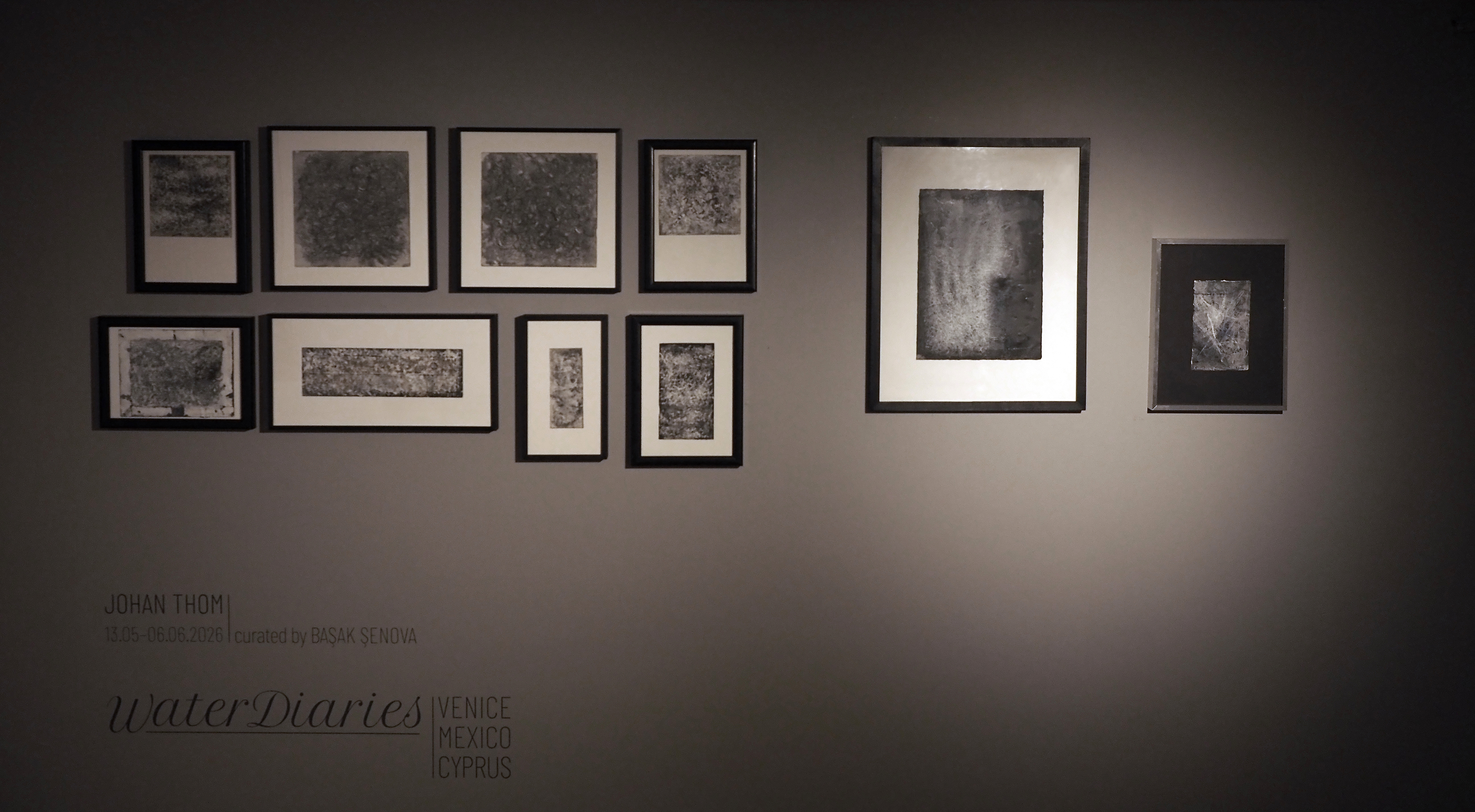
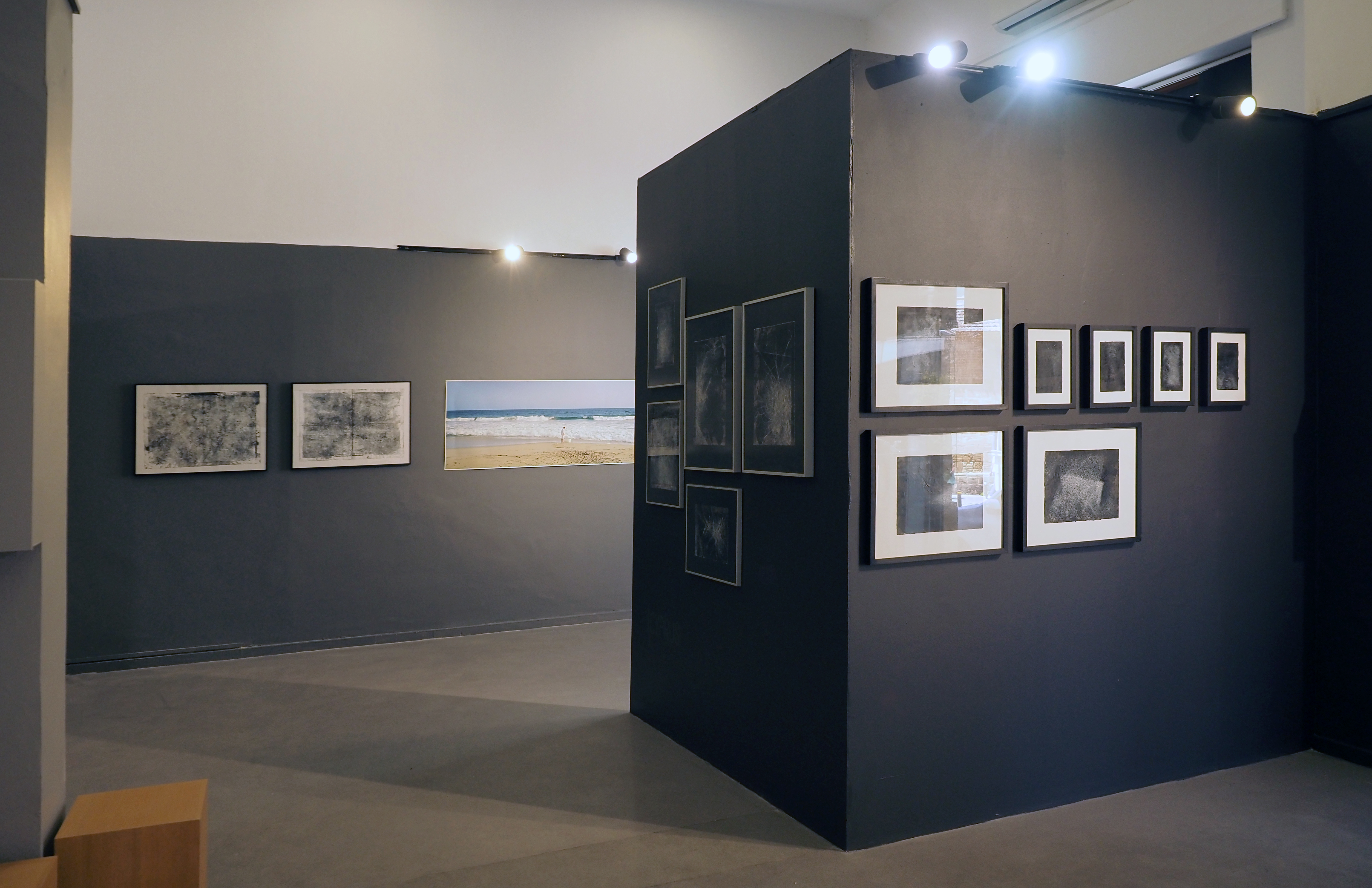
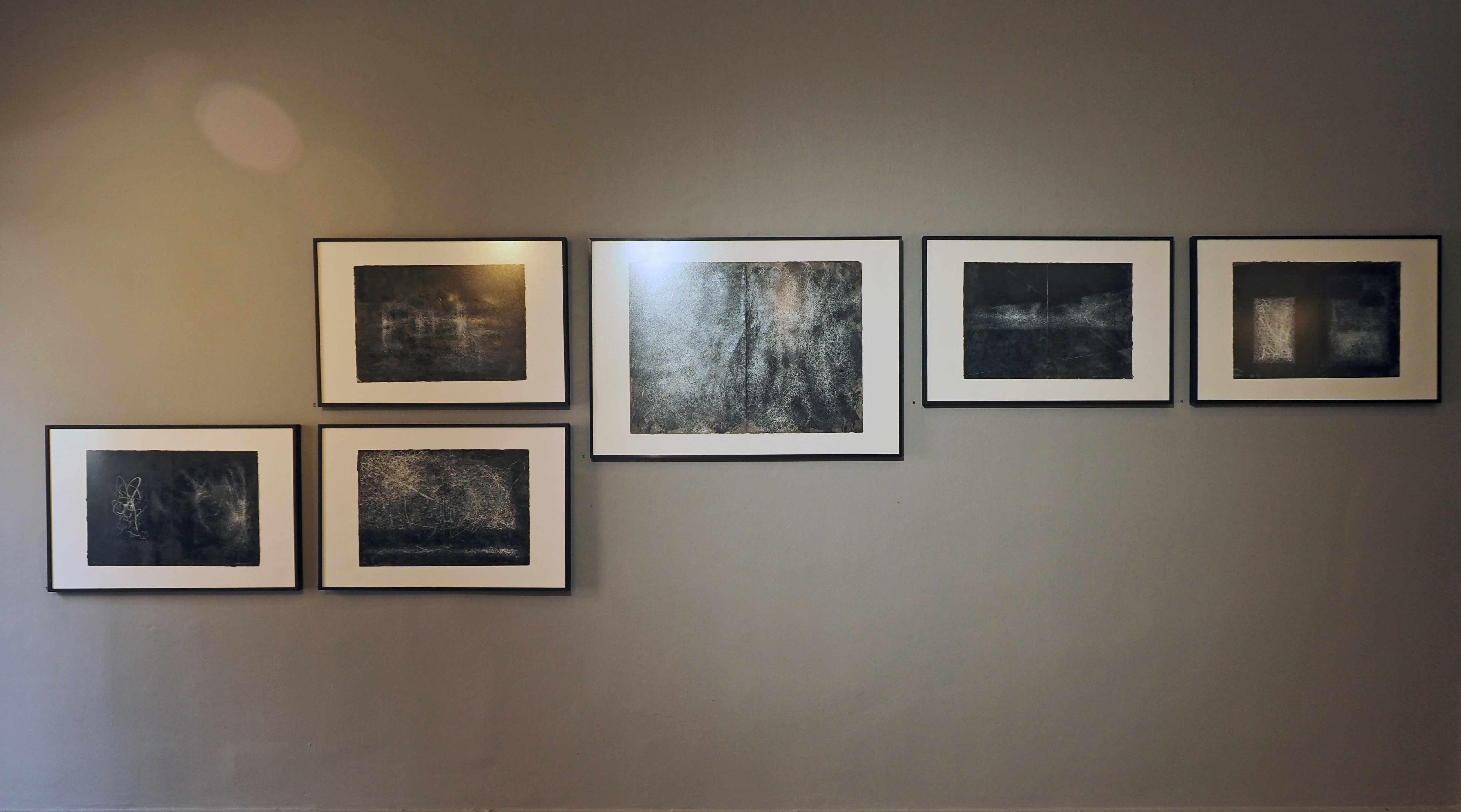
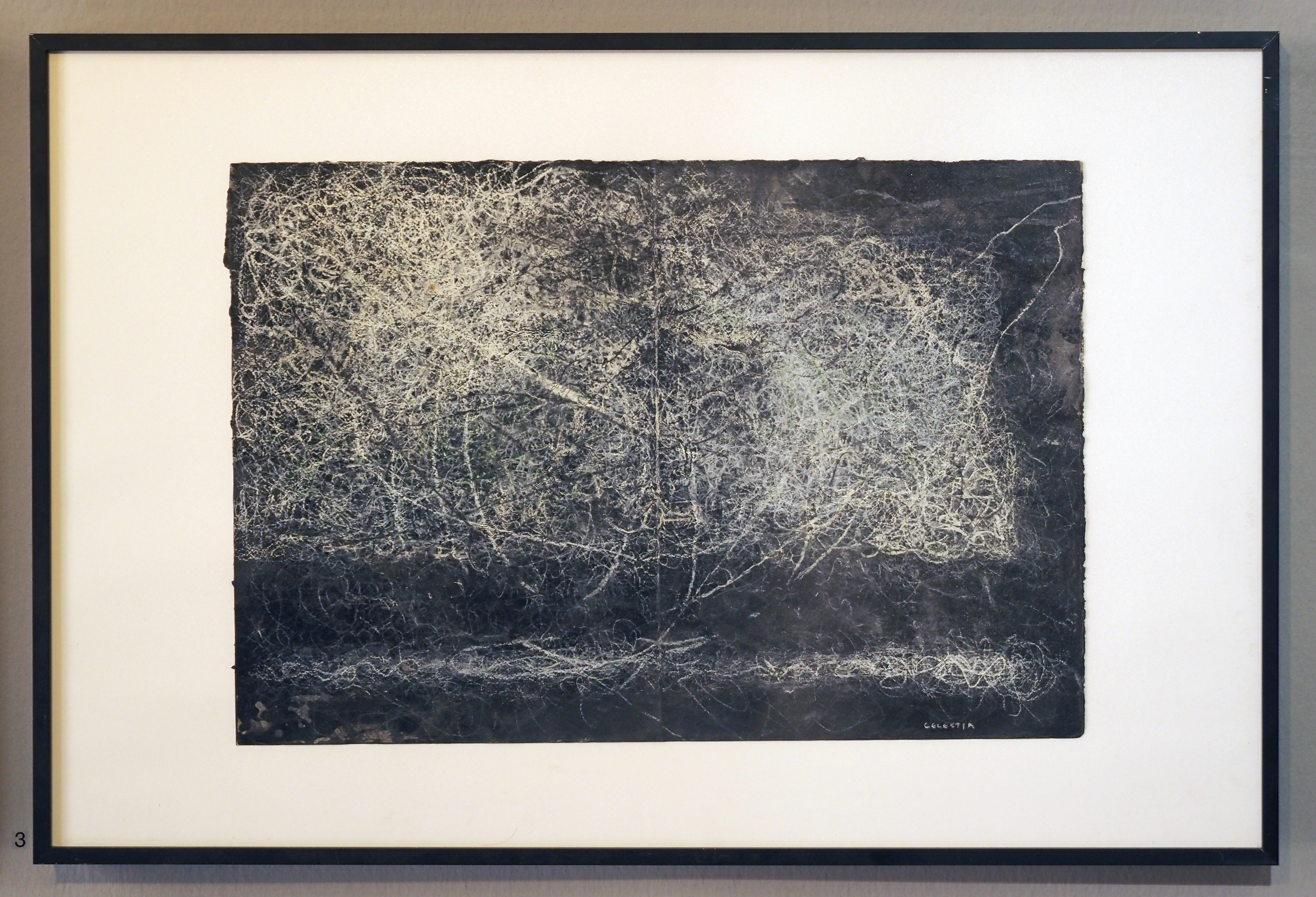
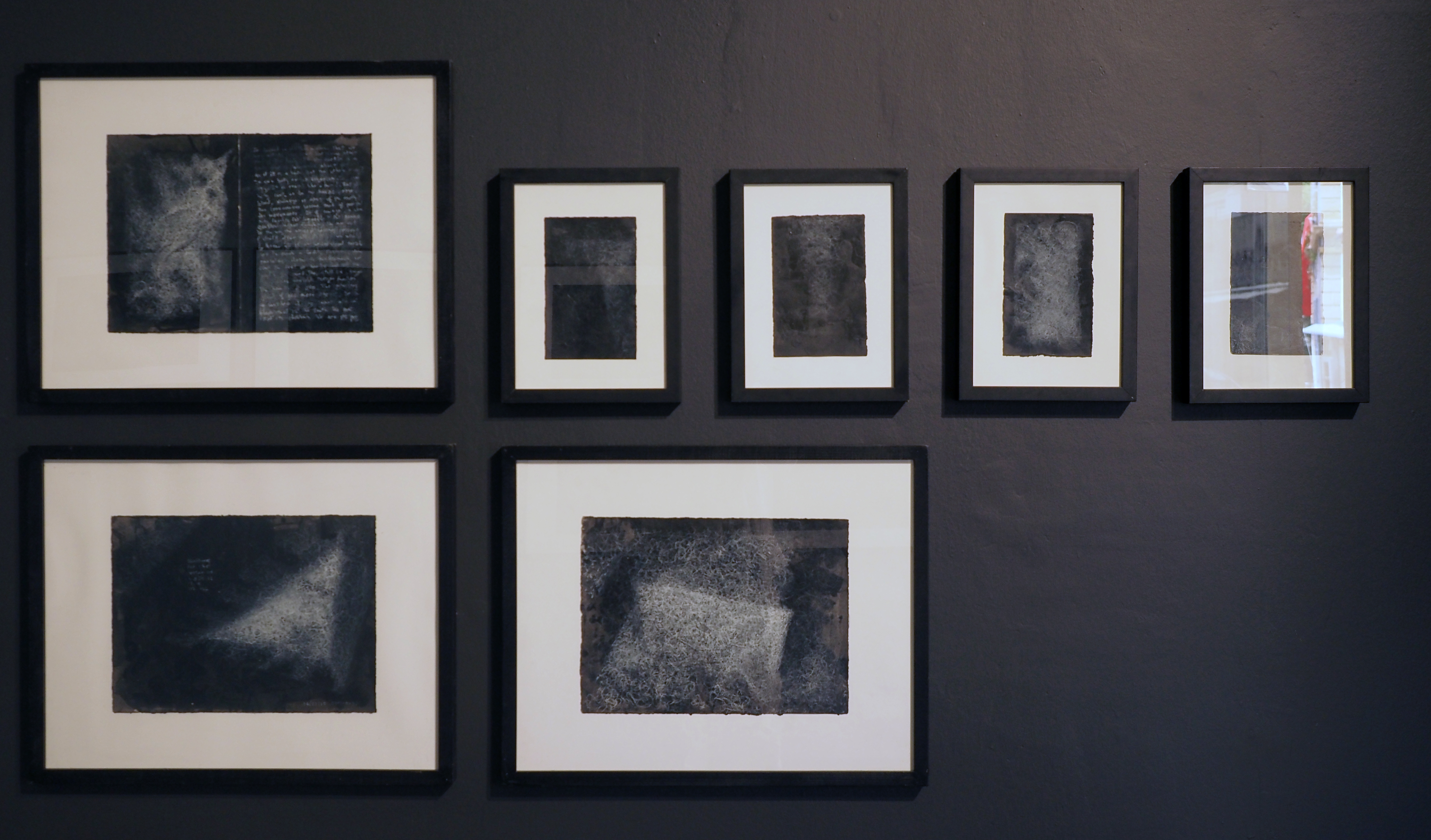
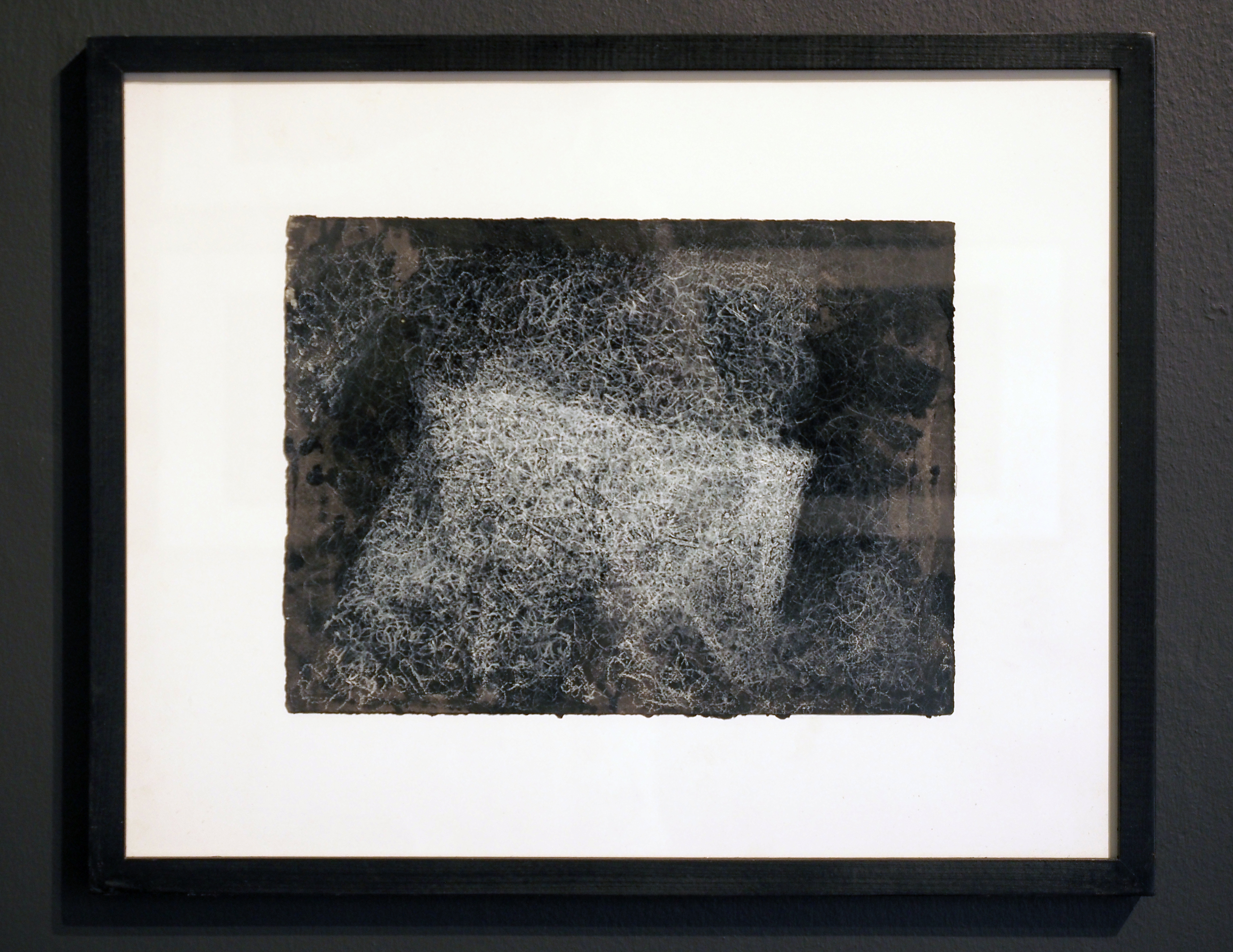
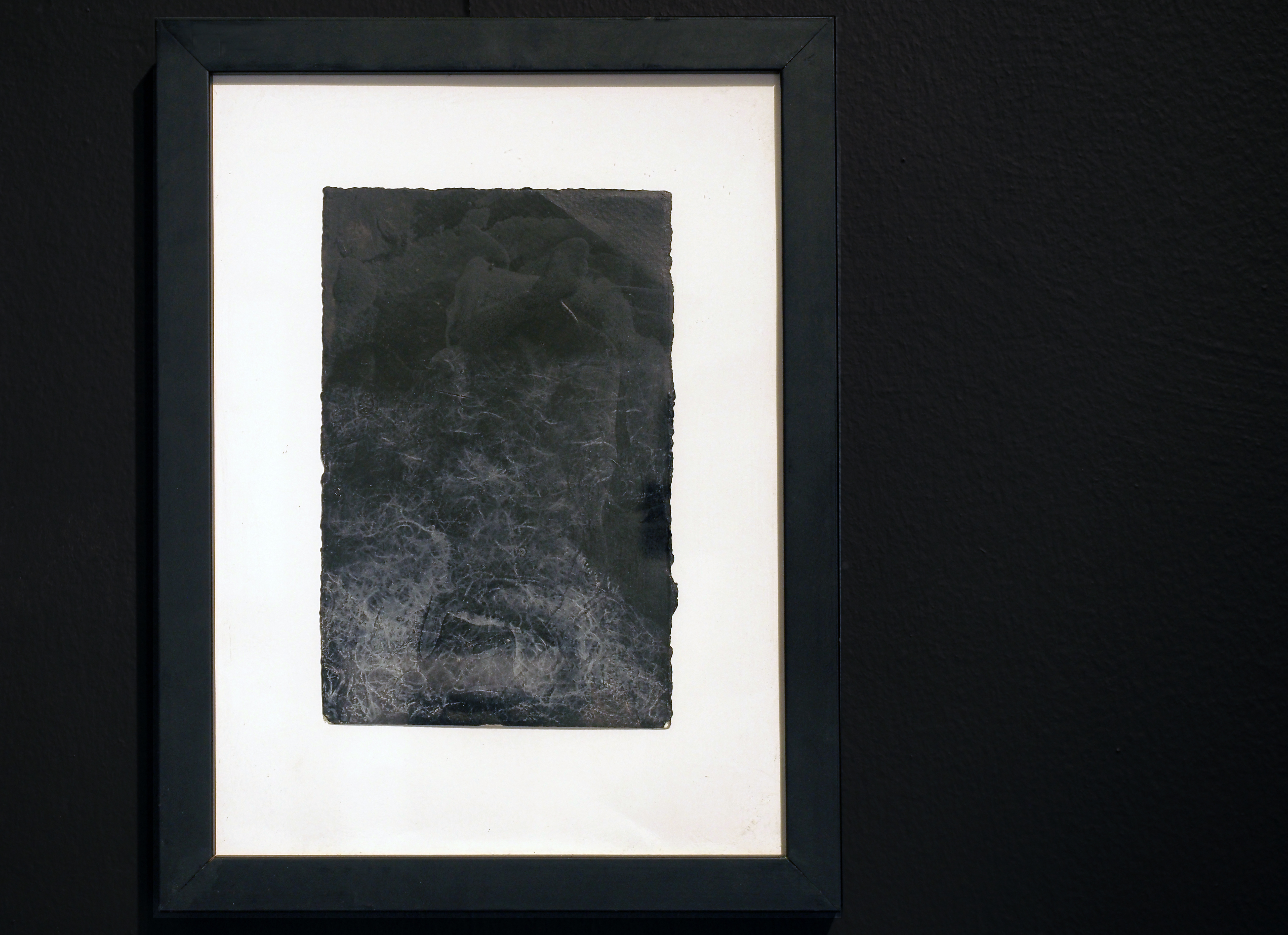
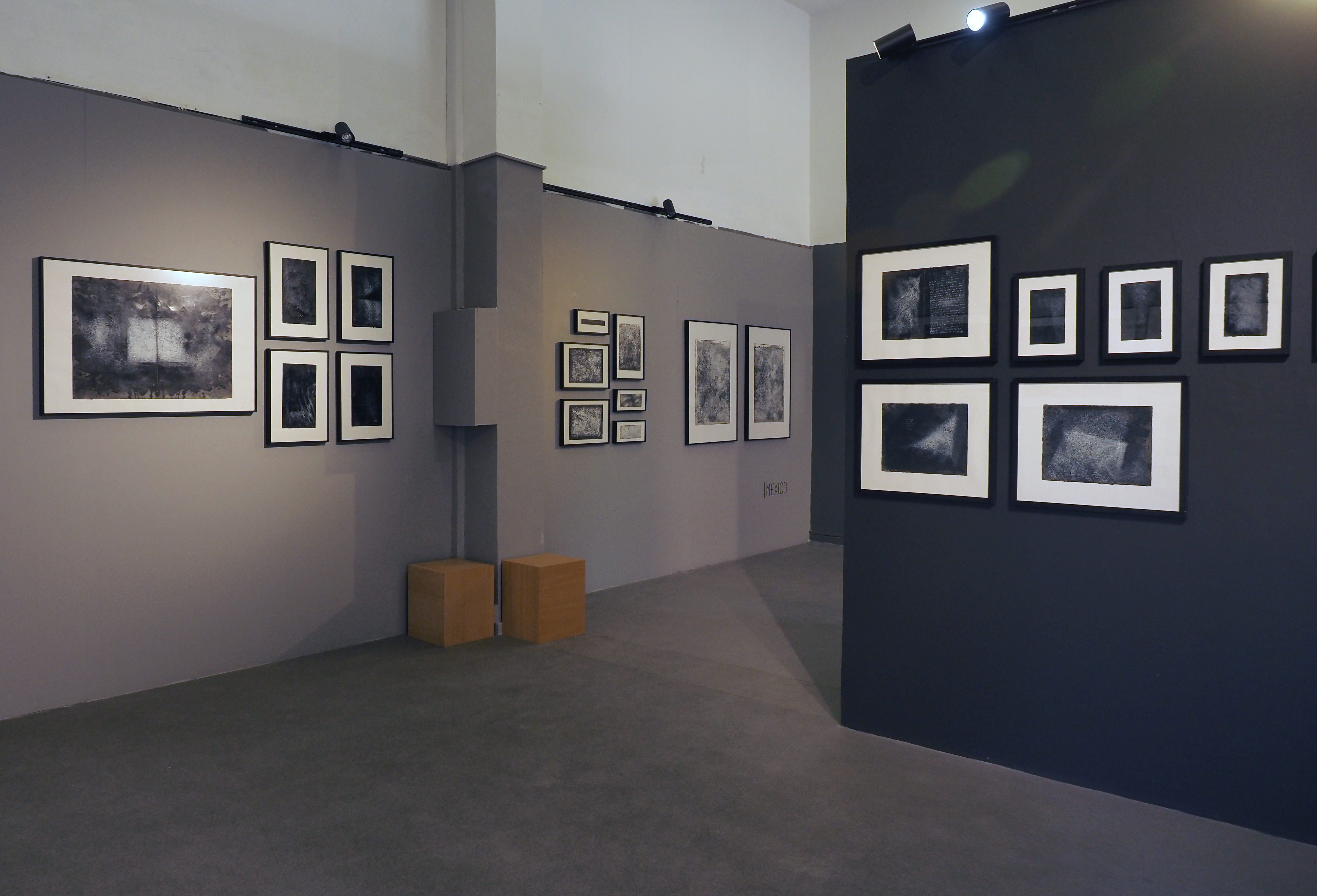
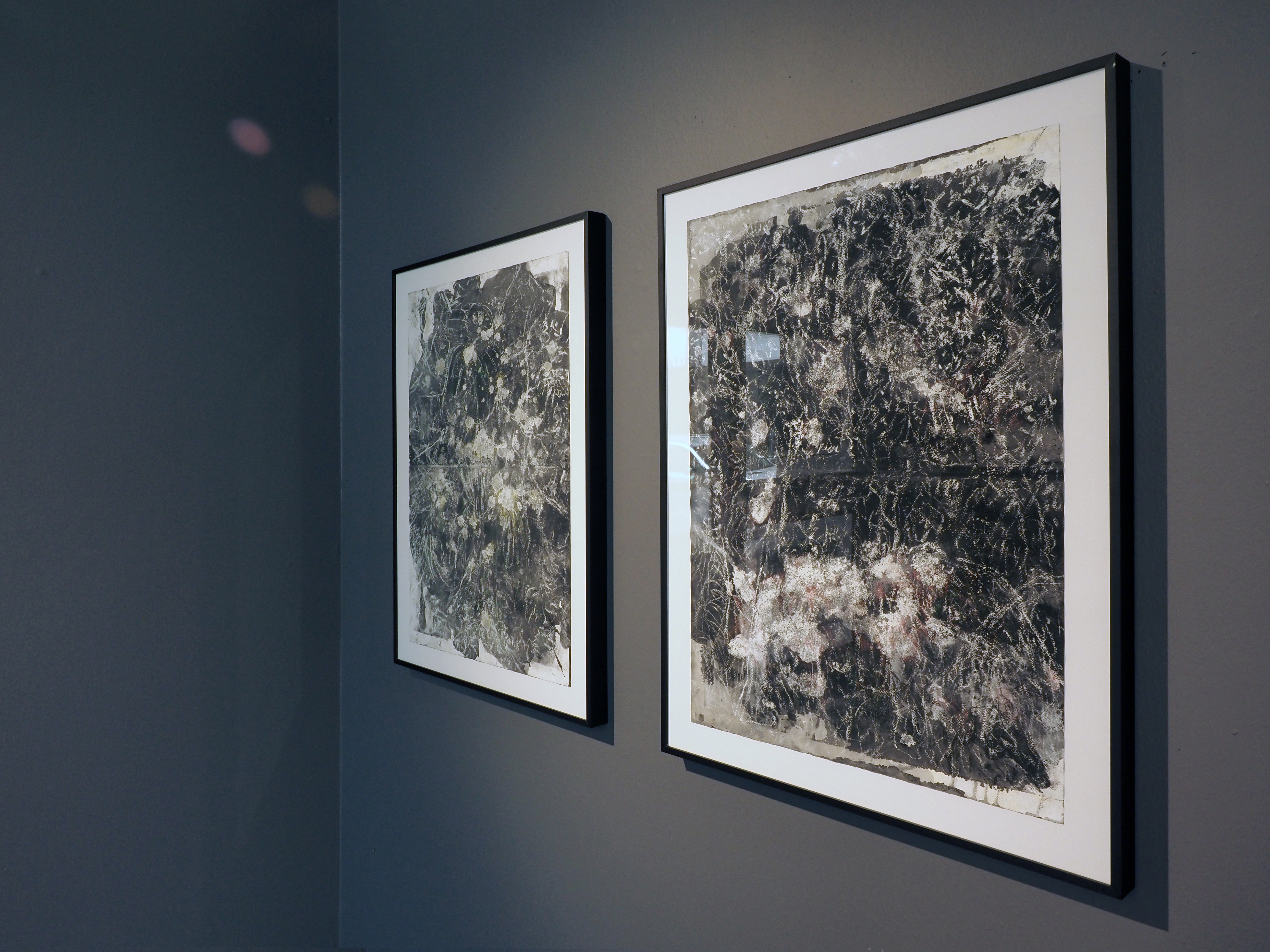
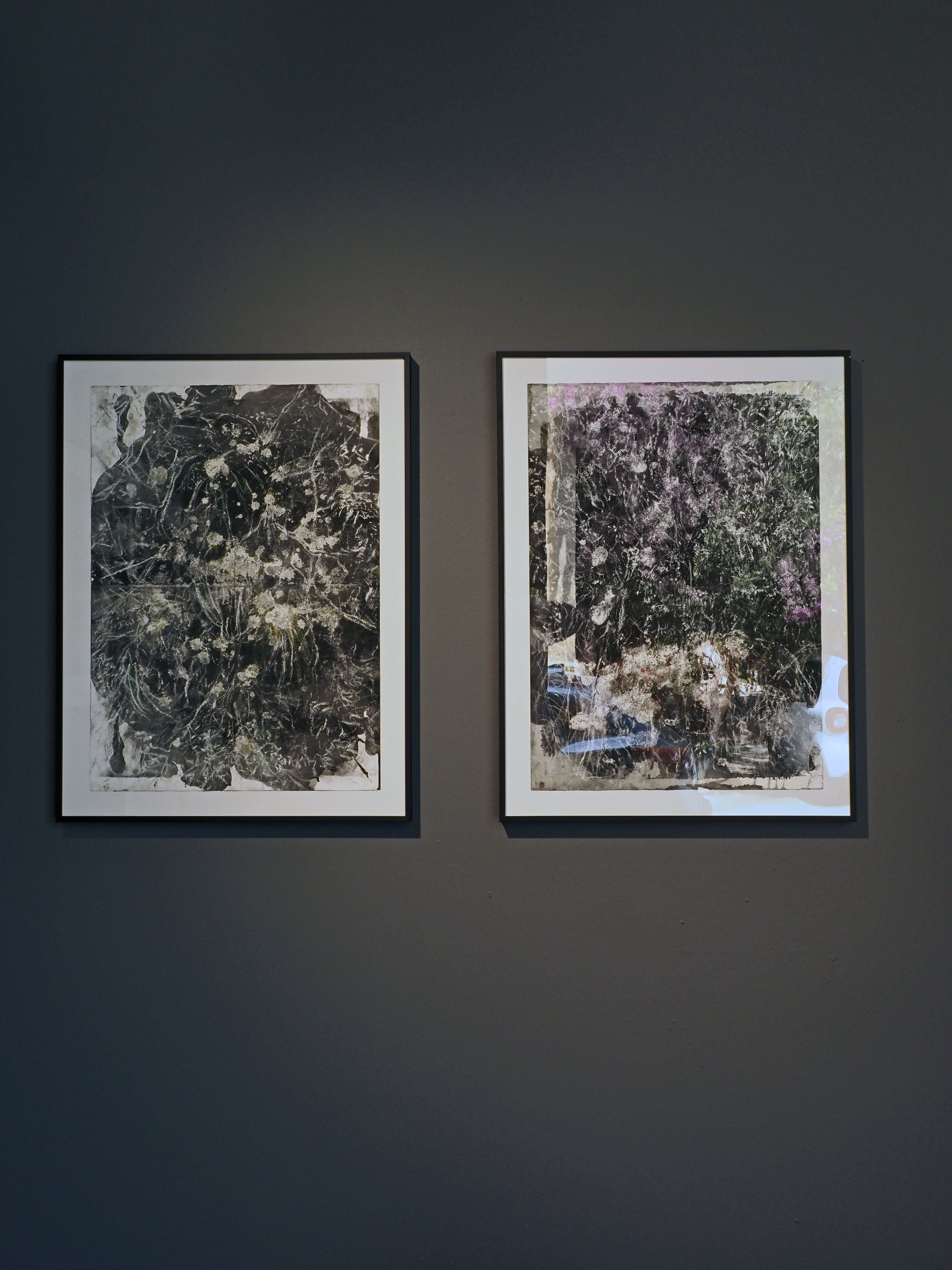
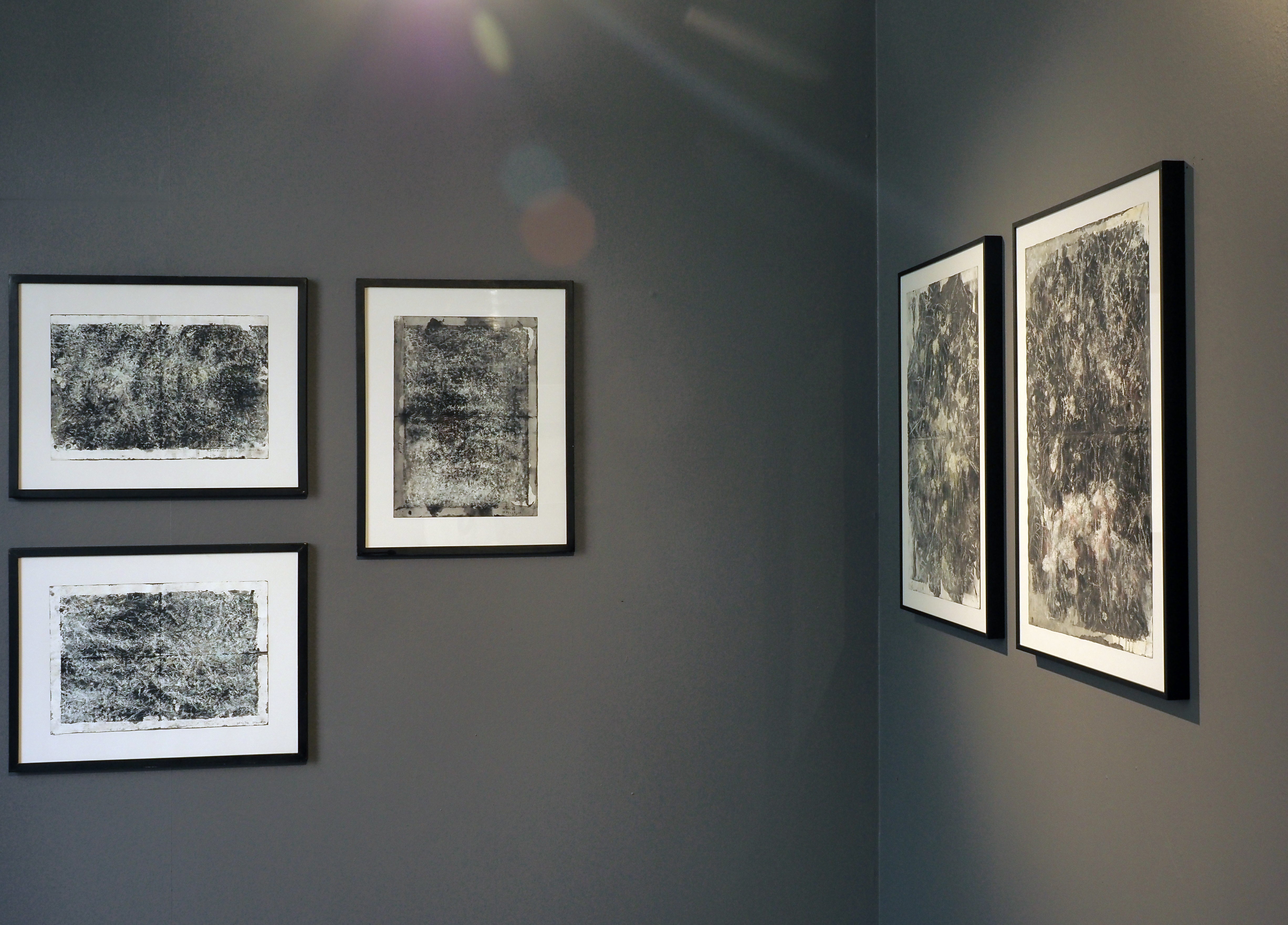
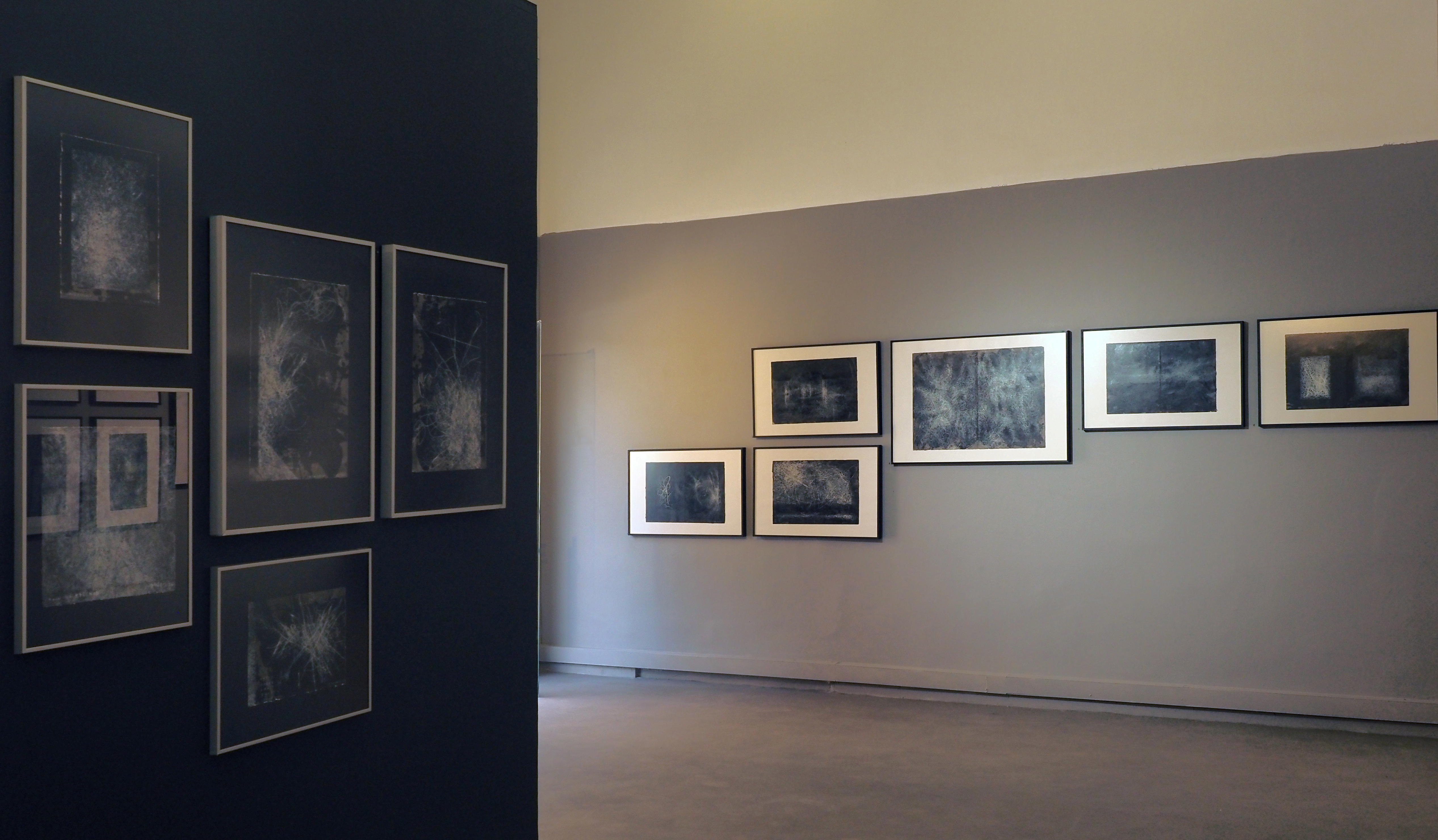
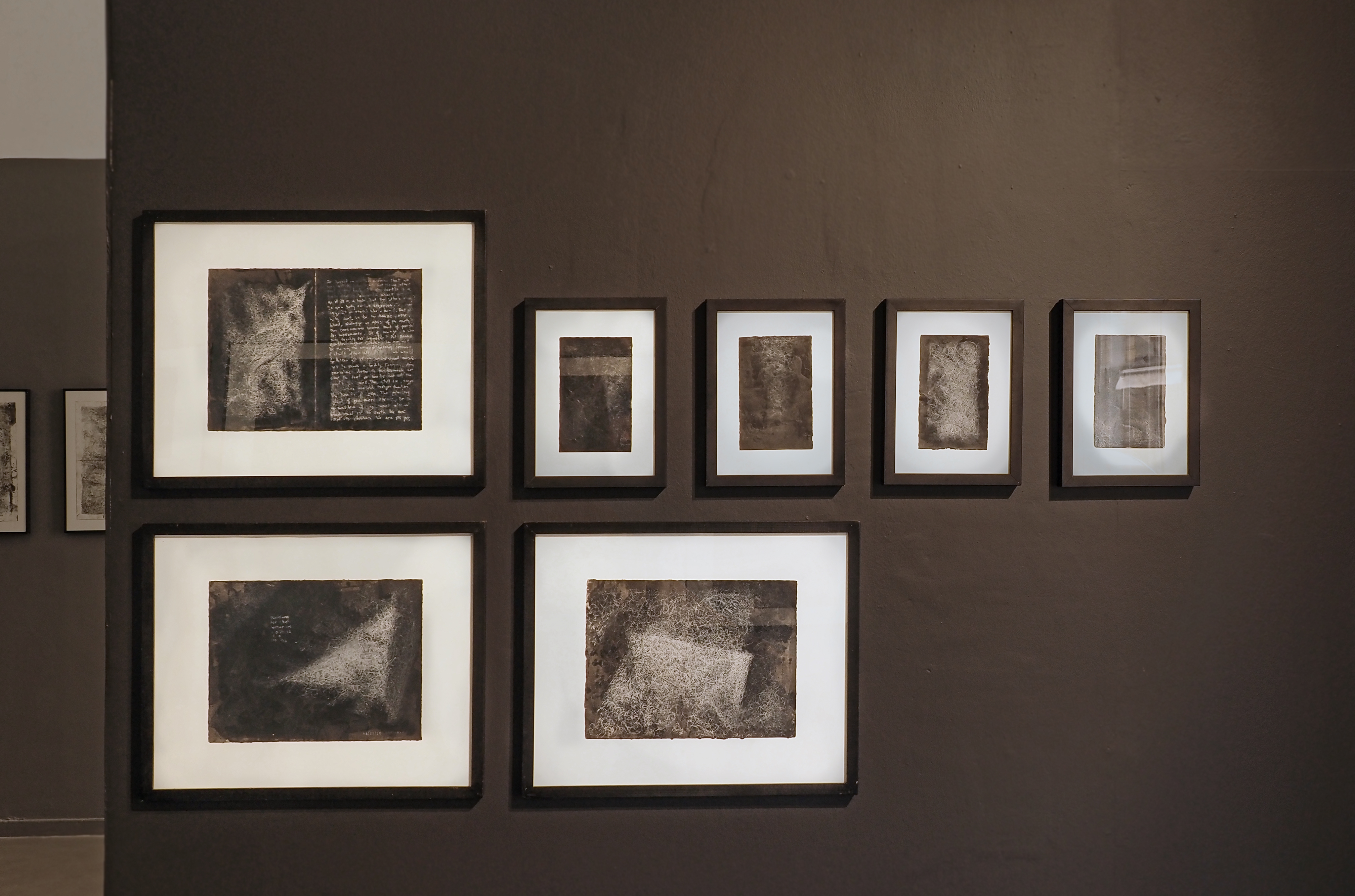
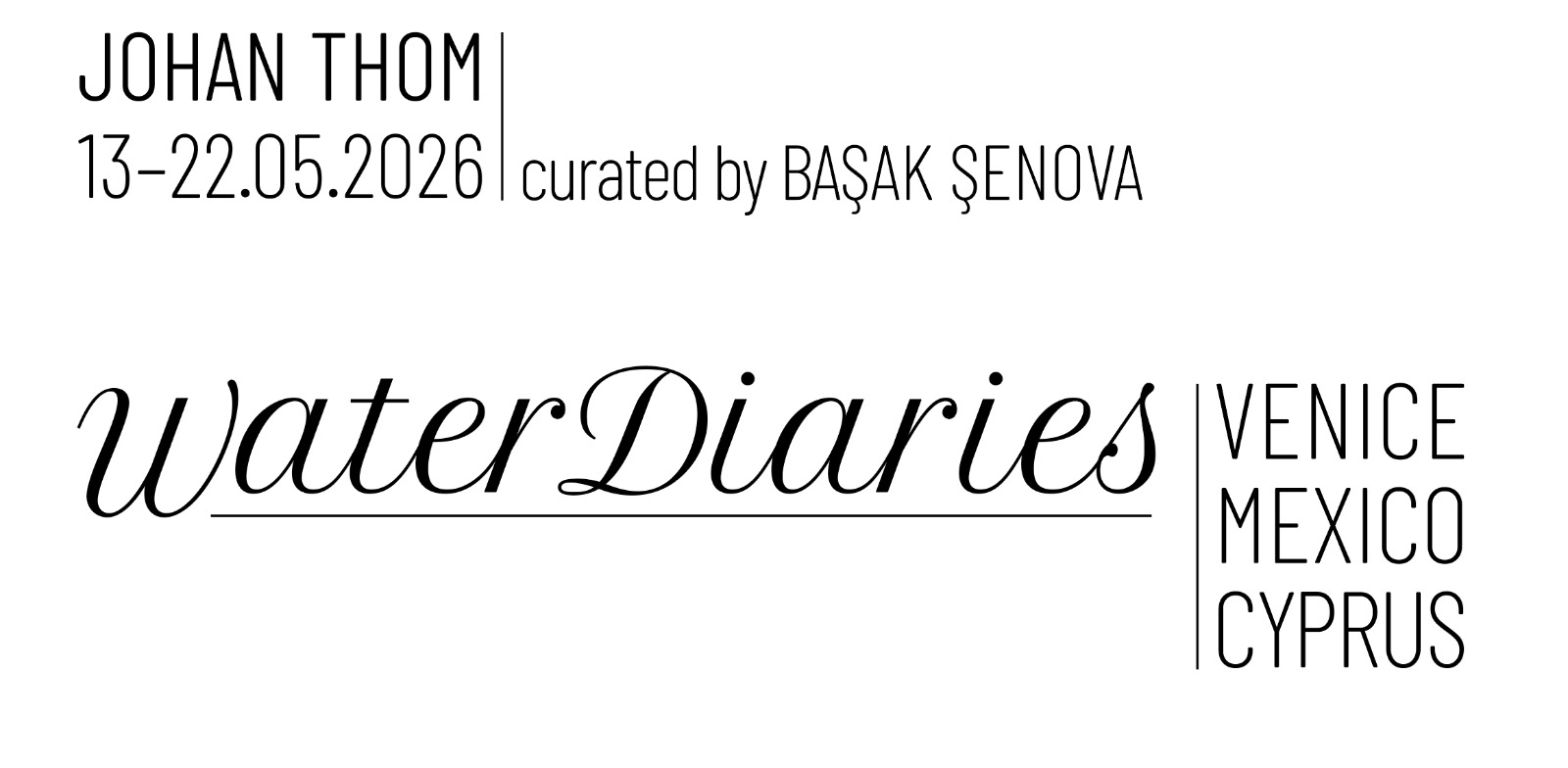
Many thanks to Basak Senova for curating the show & Oya Silbery and her team in Cyprus for all the hard work and support. Also a special word of thanks to the people who helped me to visit and work at the spaces where I produced these drawings. These include Angela Vettese & Simone Rossi at the IUAV Faculty of Art and Design in Venice in 2025 & Casa Wabi & their team in Mexico in 2024. I must add the Clair and Edoardo Villa Foundation here too.

Read Full Post »

The experiential and narrative aspects of the arts can fundamentally shift how we act on the climate change crisis by transforming meaning, not just delivering facts | When the water crisis threatens the Cradle of Humankind in South Africa, one of Earth’s earliest homes of modern humans, facts alone wont shift our behaviour. Across the world, we already know the science, yet we fail to act. South African artist Johan Thom shows how the arts can change what water, soil, and survival actually mean to us. Drawing on personal history, Darwin’s ideas, and years of artistic experimentation, he reveals how beauty, choice, and imagination shape the core decisions that determine our collective future. While the sciences may diagnose the problem, the arts help us feel and experience our changing world in different ways, reminding us that meaning, not data, drives human action | South African artist Johan Thom works across performance, video, and installation to probe the human condition in a changing world. As curator of the forthcoming Soil & Water exhibition at NIROX, he brings artists together to engage with ecology, resilience, and our shared climate future. This talk was given at a TEDx event using the TED conference format but independently organized by a local community. Learn more at https://www.ted.com/tedx

Read Full Post »

NIROX is pleased to present new and recent works by South African artist Johan Thom, exploring the material relationship between the tactile, time, and (negative) space.

The exhibition is structured in two parts, split across two venues. Held in NIROX’s residency workshop, part one includes a recent installation — Time after Time (2023) — in which an automated brick and bronze skull constantly rotate, narrowly missing each other. Across the road, at the Kromdraai Impact Hub, Thom presents three new works: Will you still be mine? (The weight of body in ice), a large photograph documenting his performance at Casa Wabi, Mexico, earlier this year; Dwell (the weight of my body as a brick), produced in collaboration with Modern Art Projects South Africa (MAPSA); and LH+RH+LHRH (Grasp), a major installation of over a thousand individual clay forms.

Dwell is a large replica of a red building brick, such is commonly used for the construction of homes, shelters, and buildings in South Africa. Made to the weight of the artist, it is a deceptively complex minimalist gesture in which the body is shown to be a contested, uneasy home — at once a space of ‘dwelling’ (of knowing and being) whilst also forming part of the skewed spatio-political and economic organisation of the contemporary South African landscape.

In turn, LH+RH+LHRH (Grasp) (2024) is a site-specific installation that gives three- dimensional form to the negative space generated by ‘grasping’ a lump of clay. The result is an overwhelming number of near alien, bone-like fragments, arranged in three minimalist, 10 x 3m rectangular grids.

In keeping with the context of the Cradle of Humankind, this arrangement is reminiscent of the anthropological/archeological sites nearby. Here, the act of grasping becomes a metaphor for that which remains unknown or undiscovered, suggesting that the tactile and material remain largely dormant, fecund repositories for rethinking our partial knowledge of the world.

RSVP: sven(at)niroxarts.com

The exhibition will be accompanied by a publication, with essays by Dr Sikho Siyotula (Research Associate, UP), Dr. Wayne Binitie (Associate Lecturer, Camberwell College of Art, London) and Sven Christian (Curator, NIROX), published by the Villa- Legodi Center for Sculpture in partnership with UJ Press. Also included in the exhibition is “Grasp (Fragment),” an educational kit developed for the tactile exploration and teaching of sculpture, in collaboration with Prof. Jenni Louwrens (Associate Professor in Visual Studies, School of the Arts, UP), The student Gallery at the Javett UP, the Claire & Edoardo Villa Will Trust and the Villa-Legodi Center for Sculpture. The artworks on exhibition have been generously supported by a number of organisations: NIROX Foundation; Villa-Legodi Center for Sculpture; Modern Art Projects South Africa; Casa Wabi, Mexico; The National Research Foundation of South Africa; The School of the Arts, University of Pretoria; Kalashnikovv Gallery

Figure details: Johan Thom, Will you still be mine (Del Mar#1), photographic production still form a performance in Casa Wabi, Mexico, 2024 (Sizes: 210 x 110cm).

Read Full Post »

One night mid 2005 I crawled over the Nelson Mandela Bridge into the heart of the city of Johannesburg for a durational performance. I was accompanied by the artist Christian Nerf who hosted me for a 24 hour residency at the now defunct City and Suburban Studios. Barefoot and wearing only old jeans, I also covered myself with an cheap blanket that had been torn apart by dogs. I slowly entered the Johannesburg CBD like so many of the city’s unseen citizens would – with nothing. It was literally freezing (0 degrees centigrade) that night and fearing frostbite I nearly gave up a few times. But by midnight I finally made it to the other side of the bridge. It took over two hours to complete the action.

The work was never exhibited or made public until now. I do so now in honor of the artist Wiliam Pope L. who sadly passed away on 23 December this year. He was a great inspiration to me and, in particular, this artwork was made in response to his crawling pieces of the 1970’s. Like in many of Pope’s crawling pieces I carried an object in one hand, a video camera in my case. The camera stopped recording after 12min 26sec.

Rest in piece William, your work mattered.

Video still: ‘Crawling (The city of gold)’, 2005, Johan Thom. #art#contemporaryart#williampopel#performanceart#africanart#contemporaryperformanceart#crawling#southafricanart

Read Full Post »

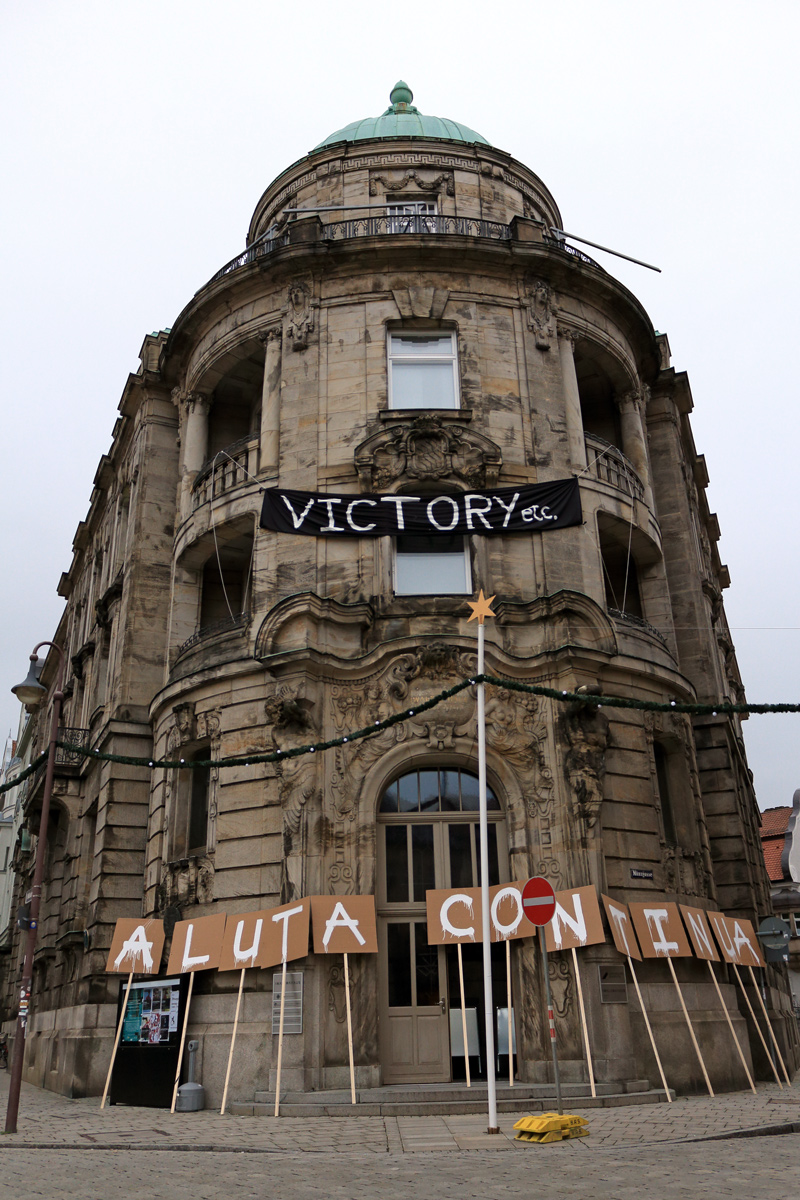
Victory-etc-2015-web

‘A luta continua ( Victory etc.)’ 2015
Johan Thom
Medium: Site specific intervention in mixed media for the conference ‘Art of Wagnis: Christoph Schlingensief’s Crossing of Wagner and Africa’ held at Iwalewahaus, Bayreuth, Germany, 4-6 Dec 2015

This artistic intervention is based upon a creative re-reading of the political slogan A luta continua, vitória é certa (The struggle continues, victory is certain). Historically this political slogan is associated with Mozambique’s armed struggle for independence from Portugal during the mid to nineteen seventies. To be specific, the slogan is considered the political rallying cry of Samora Michel, the erstwhile leader of the Frente de Libertação de Moçambique or Frelimo.

During the recent student protests against the rising costs of tertiary education in South Africa this slogan was often appropriated by students and their various supporters, appearing in social media on handmade posters in shorthand form simply as ‘A luta continua’. In this particular form, the slogan does not make explicit the possibility of victory, leaving instead the rather dispiriting possibility of a never-ending struggle. However, I think it may well be argued that the obverse is also true – that contemporary South African students are deeply aware of just how naive any hope for victory singular and total appears today.

By replacing the second part of the slogan ‘é certa’ with the term ‘etc’ (‘et cetera’) I wish to playfully shift the meaning of the original slogan into a somewhat humorous even self-critical statement that encapsulate elements of all the aforementioned (the history of the slogan, its appropriation and conditional re-employ in the present post-revolutionary moment). Today victory is no longer certain and nor is it understood as being the sole outcome of any revolutionary, anti-colonial struggle: instead it is joined by a host of other possible outcomes and post-colonial narratives, some of which have become all too familiar. In this regard, although the term ‘et cetera’ is mostly understood as meaning something to the effect of ‘and other related things’, at least one of the more discrete meanings inherent in its usage is the idea that the unspoken, or absent, terms it stands in for are so well known that it would be a waste of time to include them in full. In this way, the modified slogan embodies a form of cynicism borne from our familiarity with the disappointing, even wholly fatigued socio-cultural and political narratives and realities that have become the hallmarks of the post-revolutionary moment (the debt-ridden, corrupt post-colonial regime, the contemporary neo-colonial, capitalist sell-out of principals, assets, land and services et cetera).

Lastly, this artistic intervention is a meditation on the possibility of art to defamiliarise otherwise commonplace, accepted ideas, forms and meanings. In this much the work seeks to celebrate the fearless capacity of contemporary art to generate creative space for imaginative journeys into an unfamiliar future, an ‘etc.’ that signals space to explore, imagine and complete existing ideas without reifying the familiar.

Art cannot pray in the church of fear.

In memory of Christophe Schlingensief (1960-2010).

Read Full Post »

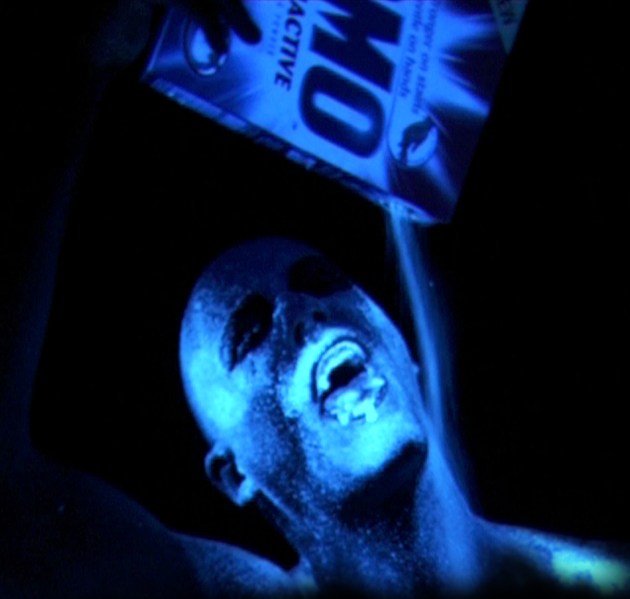
Terms of endearment by Johan Thom

Video still 1 ‘Terms of endearment’ Johan Thom, 2007

At Iwalewahaus for a 3 day festival/ screening of ‘The film will always be you’ curated by Abrie Fourie​ and Zoe Whitley​ as of this Saturday. Then for some mischevious fun with a dark performance as part of the conference program for ‘Art of Wagnis’ dedicated to the life and work of provocateur Christoph Schlingensief.

More details about the ‘Art of Wagnis’ conference here:

http://www.iwalewa.uni-bayreuth.de/de/program/20151204_Schlingensief-Tagung/index.html

and for ‘The Film will always be you’ here:

http://www.iwalewa.uni-bayreuth.de/de/program/20151127_Film-Will-Always-Be-Yo/index.html


Read Full Post »

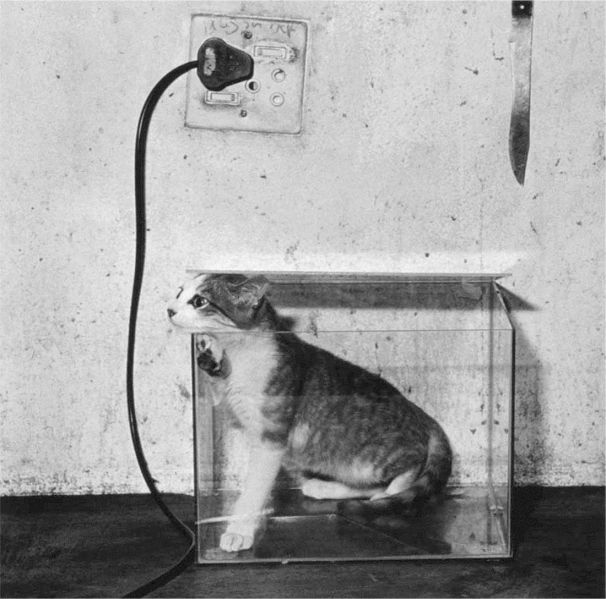
Roger Ballen, Cat in fish tank, Silver Gelatin Print, 40cm x 40 cm, 2000

Roger Ballen, Cat in fish tank, Silver Gelatin Print, 40cm x 40 cm, 2000

Johan Thom will be in conversation with inimitable photographer Roger Ballen tonight @ 18h30 as part of his book launch for the new and expanded edition of Outland (2001).

The selection of photographs on exhibition in the Collector’s Room was primarily curated around aesthetic concerns. These would include formal aspects of the work such as the use of line, light and dark tones, composition and so forth.

From a curatorial perspective we feel that the socio-cultural and political dimensions of the work have been explored in great depth. We implicitly accept and understand that Ballen’s work has a deeply political grounding and touches a raw nerve in the politics of representation in post-apartheid South Africa – especially where it concerns issues of whiteness racially speaking (of what it represents or should represent) and of ethics (of power relationship between the photographer and his subjects), for example.

The questions that Thom will touch on during this interview concern the particularity of Ballen’s artistic vision – the photographs as artworks the photographer as an artist. He says about the interview: “I hope to expose if only partially something of Ballen’s artistic working methods and processes, i.e. making; conceptualizing; selecting and generally creating the imaginative world that has become the hallmark of his artistic output since the time of first publishing Outland in 2001”.

Read Full Post »

  • Johan Thom Terms of Endearment 2007 Video still © Johan Thom, courtesy the artist

Little known outside of South Africa, the Johannesburg Free Filmmakers Cooperative was a loose association of filmmakers in the 1980s, among them artist William Kentridge. The very act of filmmaking as a vital outlet for self-expression caused Kentridge to recognise that ‘you yourself will be the film and the film will always be you.’ This three-day programme of screenings launches with Free Filmmakers’ experimental 1986 documentary and is followed by a selection of 25 contemporary artists’ shorts rarely or never before seen in UK. The Saturday and Sunday screenings will each culminate with artists in conversation, reflecting on the changing role of the moving image in art and how the medium expresses new subjectivities. The series demonstrates the substantial legacy of South African artists on screen.

Curated by Zoe Whitley, Adjunct Research Curator, Tate, supported by Guaranty Trust Bank plc, and Abrie Fourie, Independent Curator

Events in this series

The Film Will Always Be You
Friday 10 July, 19.00–21.00

The Film Will Always Be You: Points and Counterpoints
Saturday 11 July, 16.00–18.00

The Film Will Always Be You: Performing Selves
Saturday 11 July, 19.00–21.00

The Film Will Always Be You: New Subjectivities
Sunday 12 July, 17.00–19.00

Tate Film is supported by LUMA Foundation

This project has been supported by the SAUK Seasons 2014 & 2015, a partnership between the Department of Arts and Culture, South Africa and the British Council.

http://www.tate.org.uk/whats-on/tate-modern/eventseries/film-will-always-be-you-south-african-artists-on-screen

Read Full Post »

Older Posts »